Undiscovered Issues Could Cost You
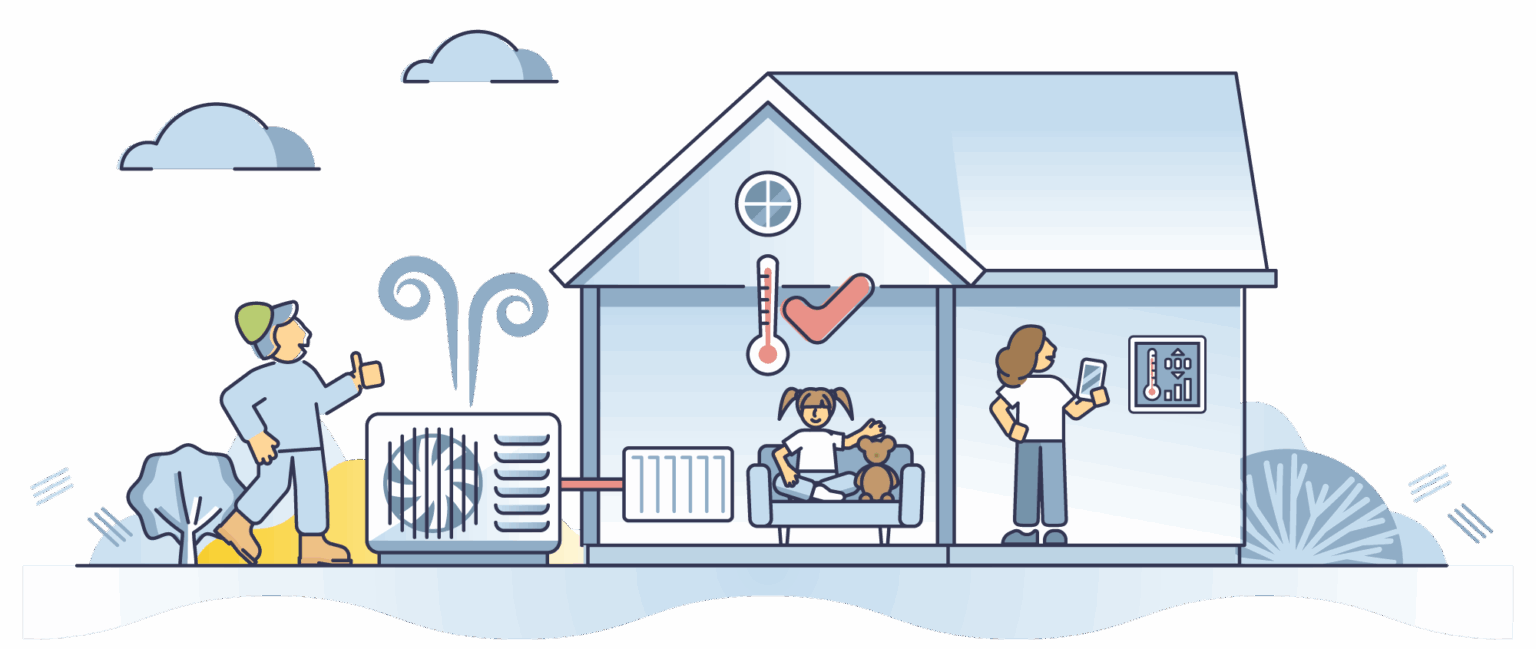
Cold weather has arrived in the south, prompting more people to turn on their heaters. But before you do so, it’s a good idea to check your heat pump. If there are any malfunctions, you could be surprised by a high energy bill at the end of the month.
Auxiliary heat
Set your thermostat to heat mode and check if the outside compressor is operating when the indoor air handler is running. If it isn’t, the auxiliary (AUX) resistance heat can automatically start running to heat your house, which could be expensive.
AUX mode is designed to operate when the temperature in your home is 3 degrees cooler than what’s set on the thermostat or when the temperature outside dips close to freezing. If your thermostat is showing the AUX indicator and you didn’t set it, your heat pump could be using its resistance heat strips inside the air handler to warm the air.
If the heat pump can’t generate enough heat to reach the thermostat setting, AUX will automatically turn on to compensate. While your house will heat up, so will your bill.
If you have a heat pump, you can avoid AUX mode from turning on by increasing your heat setting by 2 degrees at a time.
Test your system’s efficiency
To ensure that your heating unit is performing properly, it’s important to understand the difference between return air temperature, which is the air that enters your filter grille, and air supply temperature, which is the air that exits the vents. This is known as the “split” temperature, and you can test it using a digital thermometer.
The ideal temperature depends on the mode you’re using. Test your system’s performance on each setting:
Heat pump only: The most efficient setting on your heat pump, this mode only uses your outside compressor to generate heat, but it’s only effective when the outside temperature is above 40 degrees. The split temperature between the supply air and the air coming out of your vents should be 25 degrees or more.
Heat pump with AUX: At this setting, the split temperature should be approximately 30 degrees, depending on the pump’s resistance to heat strips. AUX also runs during the system’s defrost cycle. If the system needs to defrost frequently, schedule maintenance with a licensed professional.
Emergency heat: This setting is for emergencies and should only be used if your heating system is malfunctioning and the weather is cold enough to require heating for safety.
Since many variables can impact the efficiency of your heating system, it’s important to have a certified technician perform routine maintenance. A licensed professional can explain how your system works and help you get the most out of it.
For more energy-saving tips, go to myPEC.com/savings.